
You’ve probably heard a lot about the microbiome and how it affects all aspects of our health, from digestion and immunity to our mental wellbeing.
But did you know about the vaginal microbiome?
The vaginal microbiome is a community of microorganisms completely unique to the vagina. When it’s in good balance, it protects you. When it’s imbalanced, it has been linked to endometriosis, increased risk of HIV, infections such as thrush, Bacterial Vaginosis (BV) and HPV, fertility challenges, and cervical cancer.
Many women rely on over-the-counter pharmaceutical treatments to manage vaginal infections. These can help minimise acute symptoms in the short term, but they do not address the root cause – a disturbance in the vaginal microbiome. Instead, they disrupt the microbiome further leading to ongoing issues.
Why the vaginal microbiome deserves more attention
This knowledge belongs not only with women, but also with our gynaecologists, family doctors, and practitioners working in women’s health. Understanding the vaginal microbiome, knowing how to maintain a healthy microbial balance has the potential to change outcomes – including preventing the risk of serious disease.
My mother died of cervical cancer when I was only fourteen, so preventing other women from going through that experience is very dear to my heart.
Emerging research shows that a healthy vaginal microbiome not only helps women to conceive, but also supports carrying pregnancy to full term. In contrast, a vaginal microbiome that is out of whack may be a leading silent contributor to fertility challenges and pre-term birth.
What a healthy vaginal microbiome looks like
Interestingly, the vaginal microbiome is very different from the gut microbiome. While the gut thrives on diversity, the vagina is healthiest when populated by Lactobacilli species – one of the most protective of which is Lactobacillus crispatus.
Lactobacilli make lactic acid which keeps the vaginal pH acidic this is where their name comes from. It’s the very same lactic acid we try to prevent building up during exercise, but the vagina relies on it. This acidity is key for keeping pathogens in check and maintaining balance.
Research so far shows that only 25% of women have a healthy microbiome dominated by Lactobacillus crispatus. That means many women are quietly vulnerable to infection and inflammation without knowing why.
If we remember that a healthy vaginal microbiome supports not only vaginal health but also pregnancy, and can prevent cervical cancer, it becomes clear that many women may need additional support.
What imbalances the vaginal microbiome?
There are many possible reasons why vaginal microbial balance can be disrupted.
Some women may not inherit protective lactobacilli from their mothers at birth because their mothers didn’t have it themselves. Others may have been born via caesarean section, limiting early exposure to beneficial bacteria.
Other contributing factors include:
- frequent antibiotic use
- poor nutritional support for the microbiome
- smoking or vaping which damages lactobacilli
- certain intimate soaps, sprays, and lubricants
- sanitary products that have been bleached or perfumed
- bath bombs or foams, especially those loaded with glitter or chemicals
- Wearing g-strings or not-breathable synthetic underwear
- and…chronic stress.
Learning how to support the body’s responses to stress is so important for overall health – including vaginal health.
Vaginal testing
When I originally wrote this article nine years ago, the only comprehensive vaginal microbiome tests were available in the United States.
This has now changed.
Testing options are now widely available in the UK making it possible to assess the vaginal microbiome and create a targeted, personalised approach to treatment.
If you have a history of infertility, recurrent UTIs, chronic pelvic pain, painful sex, vaginal discharge or dryness, then testing can provide valuable insight into what may be driving these symptoms.
However, there is still a simple screening tool that you can use at home.
An easy first step: testing your vaginal pH.
One simple way to get an initial sense of your vaginal health is to measure the vaginal pH. You can do this at home using pH test strips.
A healthy vaginal should be acidic – ideally below 4.4. If the pH is above 4.4, it’s a sign that the microbiome needs support.
Supporting the vaginal microbiome naturally
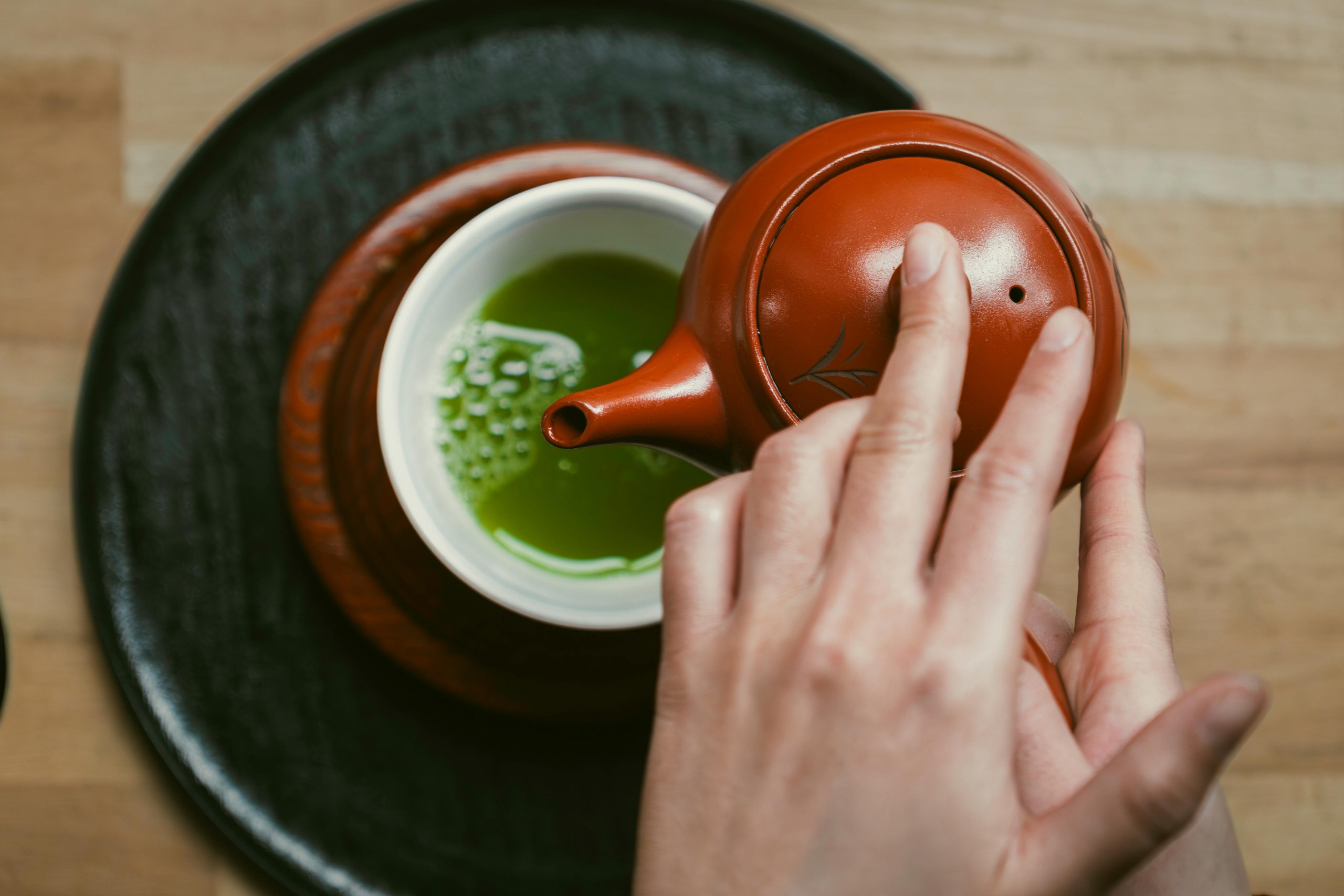
One of the simplest ways to begin supporting the vaginal microbiome is with green tea.
Green tea is rich in polyphenols – compounds that support the growth of beneficial lactobacilli while helping to limit harmful microorganisms. It also has well-established antioxidant and anti-inflammatory properties.
How to use green tea
Use filtered or mineral water to avoid contamination from tap water.
To preserve the medicinal properties of green tea, avoid using boiling water. Instead, use water at no more than 70°C.
Make a strong infusing brewing it for minimum 15 mins and allow it to cool before use.
It can then be used in several ways:
- sprayed gently onto the vulva
- used as a vaginal douche
- added to a sitz bath
The green tea treatment can be done daily at first and then once every three or four days once the pH has gone down to a healthy level below 4.4.
If your vaginal pH is already at a healthy level, that’s wonderful – celebrate by drinking a cup of green tea instead. There is no need to intervene.
The role of probiotics
A good quality probiotic that has been formulated specifically to support the vaginal microbiome can also be helpful. The probiotic needs to be rich in lactobacilli species and ideally also contain Lactobacillus crispatus.
If your pH is above 4.4, it is also worth considering the health of your gut and its microbiome, as the two microbiomes are closely connected.
A new conversation about women’s health
My hope is that in the near future the vaginal microbiome becomes a routine part of clinical care. This includes fertility screening and pregnancy care, investigations of ongoing vaginal or bladder issues, as well as an important consideration during and post menopause, when hormonal shifts can significantly affect the microbiome.
We need to move towards a model of care that is more preventative, informed, and personalised. This is not just about treating symptoms. It’s about raising the standard of women’s healthcare.
But this goes beyond just talking about an aspect of female physiology – it also opens the door to deeper healing.
References and further reading:
Dr Aviva Romm, Vaginal Ecology. https://avivaromm.com/vaginal-ecology-down-there/
Dr Jason Hawrelak , Just what is a “leaky vagina?” https://www.probioticadvisor.com/category/vaginal-microbiome/#.W5Ez9ehKg2w