A glass of wine at the end of a long day. A drink to take the edge off, a way to decompress when everything feels relentless. I understand the appeal completely, and I am not here to lecture. But as a nutritional therapist and naturopath who works primarily with women, I want to share what the research actually shows about how alcohol affects the female body. Because it goes considerably further than most people realise – and well beyond the liver.
Here are six main ways alcohol may be quietly undermining your health, and ten strategies to help you drink less if you choose to.
Six ways alcohol affects women’s health
It strips the nutrients your body depends on
Alcohol is a diuretic. It actively flushes out essential nutrients – including vitamin C, which is critical for immune resilience, collagen synthesis and tissue repair, and zinc, which sits at the heart of both immune function and hormonal balance. If you are working hard to nourish yourself perhaps through perimenopause, alcohol is dismantling that effort from the inside.
It depletes your B vitamins – and your mood along with them
This is one of the most clinically significant effects I see in practice, and one of the least discussed. Alcohol depletes B vitamins – particularly B1 and B6 – with real and measurable consequences. Low B1 produces fatigue, mental fog and physical tension, with a build-up of lactic acid reminiscent of overtraining. B6 is essential for synthesising serotonin and GABA – the neurotransmitters that regulate mood, calm the nervous system and protect against anxiety and depression. Strip those away and you understand why alcohol, despite its initial lift, functions as a depressant.
For women in perimenopause, those with PMS, or anyone navigating mood instability, this is particularly relevant. Even moderate, regular alcohol intake can deplete B vitamin status enough to meaningfully worsen anxiety and low mood. In my practice, low B vitamins are one of the most consistent findings in women presenting with fatigue and mood difficulties – and alcohol is frequently a contributing factor that has gone unexamined.
It raises cortisol and disrupts sleep
Alcohol raises cortisol – the primary stress hormone. Elevated cortisol keeps us wired, internally tense and physiologically activated at precisely the time we need to wind down. It also suppresses melatonin production – and melatonin is far more than a sleep hormone. It is one of the most powerful antioxidants and immune modulators the body produces. Disrupting melatonin through alcohol has measurable downstream consequences for immune function, cellular repair and long-term hormonal health.
It drives you towards exactly the foods you are trying to avoid
Alcohol activates AgRP neurons in the hypothalamus, triggering a neurological state that mimics starvation. This is not gentle hunger – it is a powerful, brain-driven compulsion toward sugary, refined, high-fat food. The result is typically late-night overeating, blood sugar dysregulation through the night and early-morning waking as cortisol surges to compensate.
Alcohol is effectively liquid sugar. Over time it contributes to weight gain, insulin resistance and – for those with genetic susceptibility – type 2 diabetes, which remains a largely preventable condition.
It burdens the liver and drives oestrogen dominance
This is where the story becomes particularly important for women. The liver is the primary site of oestrogen clearance – it processes, packages and eliminates excess oestrogen as part of its daily workload. When alcohol burdens the liver, this clearance becomes compromised. Oestrogen accumulates. And the symptoms of oestrogen dominance follow: PMS, heavy or painful periods, breast tenderness, mood instability, bloating and weight gain around the hips and thighs.
Every woman has a different genetic capacity to detoxify alcohol – and only you know your own tolerance. But if you feel the effects quickly, if you experience skin or hormonal symptoms that worsen with drinking, or if you carry any oestrogen-driven condition like endometriosis, fibroids, a history of oestrogen-sensitive cancer – the evidence is unambiguous. There is no genuinely safe level of alcohol for these conditions.
It affects the brain
Research links regular alcohol consumption to neuroinflammation and an elevated risk of cognitive decline, including Alzheimer’s disease. For women – who already face a disproportionately higher dementia risk than men – this deserves serious consideration, particularly during perimenopause when the brain is already navigating significant metabolic change. What we do now matters for how we age.
Ten strategies to drink less – without feeling deprived
Hydrate before you drink
Two large glasses of water before any alcoholic drink. Thirst is frequently misread as the desire to drink, and consistent pre-hydration reliably reduces how much alcohol you consume without any conscious effort.
Make it count financially
Track what you spend on alcohol each week (honestly!) – and redirect that money towards something that genuinely nourishes you. Better quality food, a restorative treatment, a functional medicine test. The reframe is more powerful than it sounds.
Build in alcohol-free days
Aim for at least five alcohol-free days each week. This is not about perfection or abstinence – it is about giving your liver, your hormones and your nervous system regular, meaningful periods of recovery.
Savour every moment
Choose something you genuinely love, pour it properly and taste it slowly. When drinking becomes a conscious choice rather than an automatic habit, most people find they naturally want less.
Find your replacement ritual
The ritual matters as much as the drink. Sparkling kombucha – which also nourishes your microbiome – works beautifully. So does iced green tea, which contains theanine, a naturally calming amino acid with real anxiolytic effects. Or make the mocktail below. It is genuinely satisfying and takes no time at all.
Eat well when you drink
Protein-rich food alongside alcohol stabilises blood sugar and dampens the neurologically-driven hunger that leads to late-night overeating. Avoid refined snacks and processed carbohydrates, which amplify blood sugar disruption and make the following day considerably harder.
Address the stress at its source
If alcohol has become your primary stress management strategy, it is worth asking what else might serve you better – and actually work. Consistent mindfulness practice, breathwork, walking in nature or a daily gratitude practice all have measurable effects on cortisol and nervous system regulation. They do not then create a deficit you spend the next day recovering from.
Find genuine connection
Much of what drives habitual drinking is disconnection , sometimes from a sense of meaning. Meaningful social connection addresses the underlying need far more effectively than a drink ever can, and without the aftermath.
Choose quality over quantity
If you are going to drink, choose well. A good quality organic red wine without added sulphites will at least bring antioxidant compounds including resveratrol. Quantity matters more than type – but when you do drink, make it worth it.
Support your body nutritionally
When you do drink, take additional B vitamins and electrolytes – all of which alcohol actively depletes. This is not a licence to drink without consequence, but a sensible and evidence-based harm-reduction strategy for the occasions when you choose to.
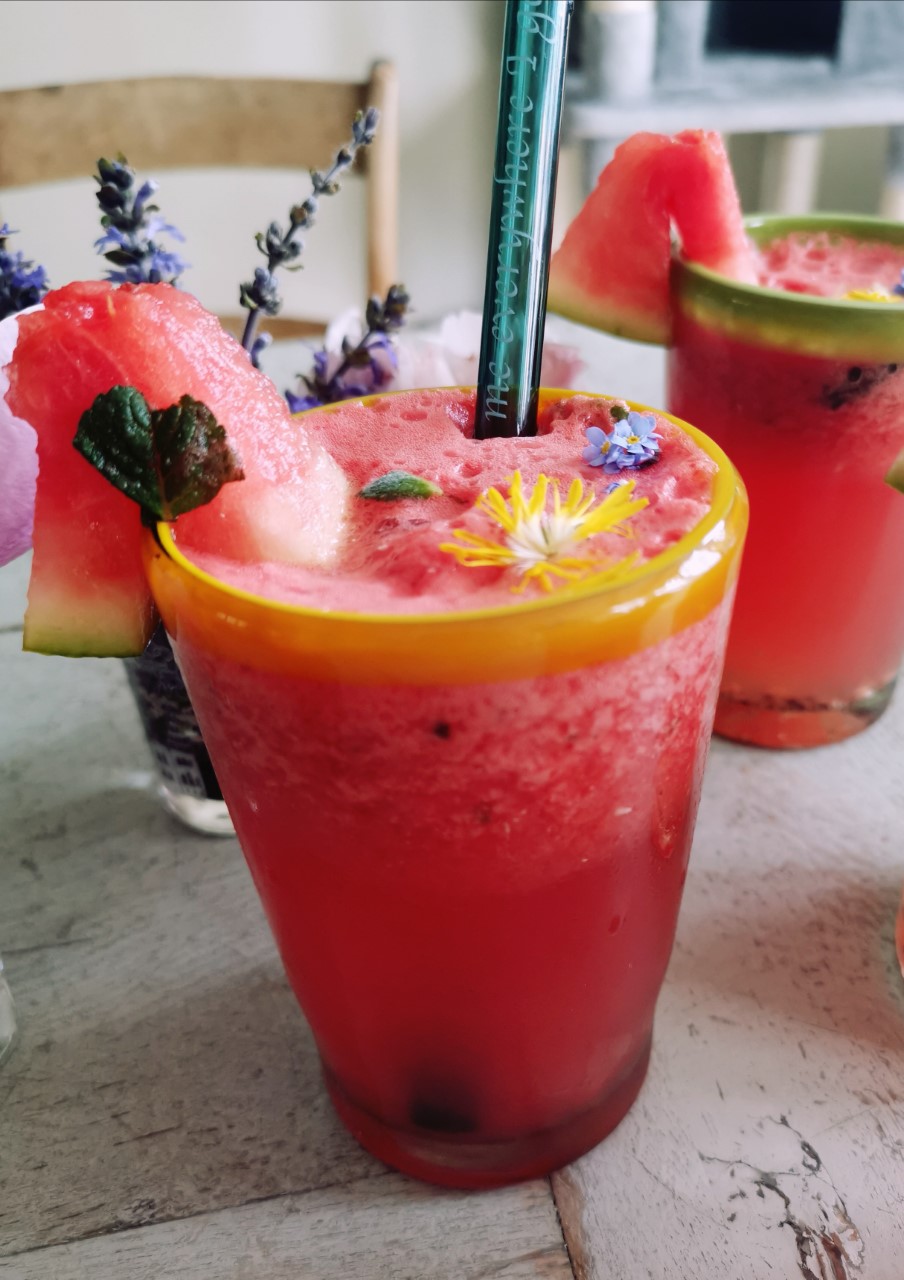
Watermelon mocktail recipe
Serves 2
- 2 cups diced watermelon
- Juice of 1 lime
- 1 tbsp raw honey
- A handful of fresh mint leaves
- 1 cup sparkling water
Blend the watermelon, lime and honey until smooth. Muddle the mint into the base of each glass, pour over the watermelon mixture, add ice and sparkling water and stir gently. Garnish with fruit and fresh mint.
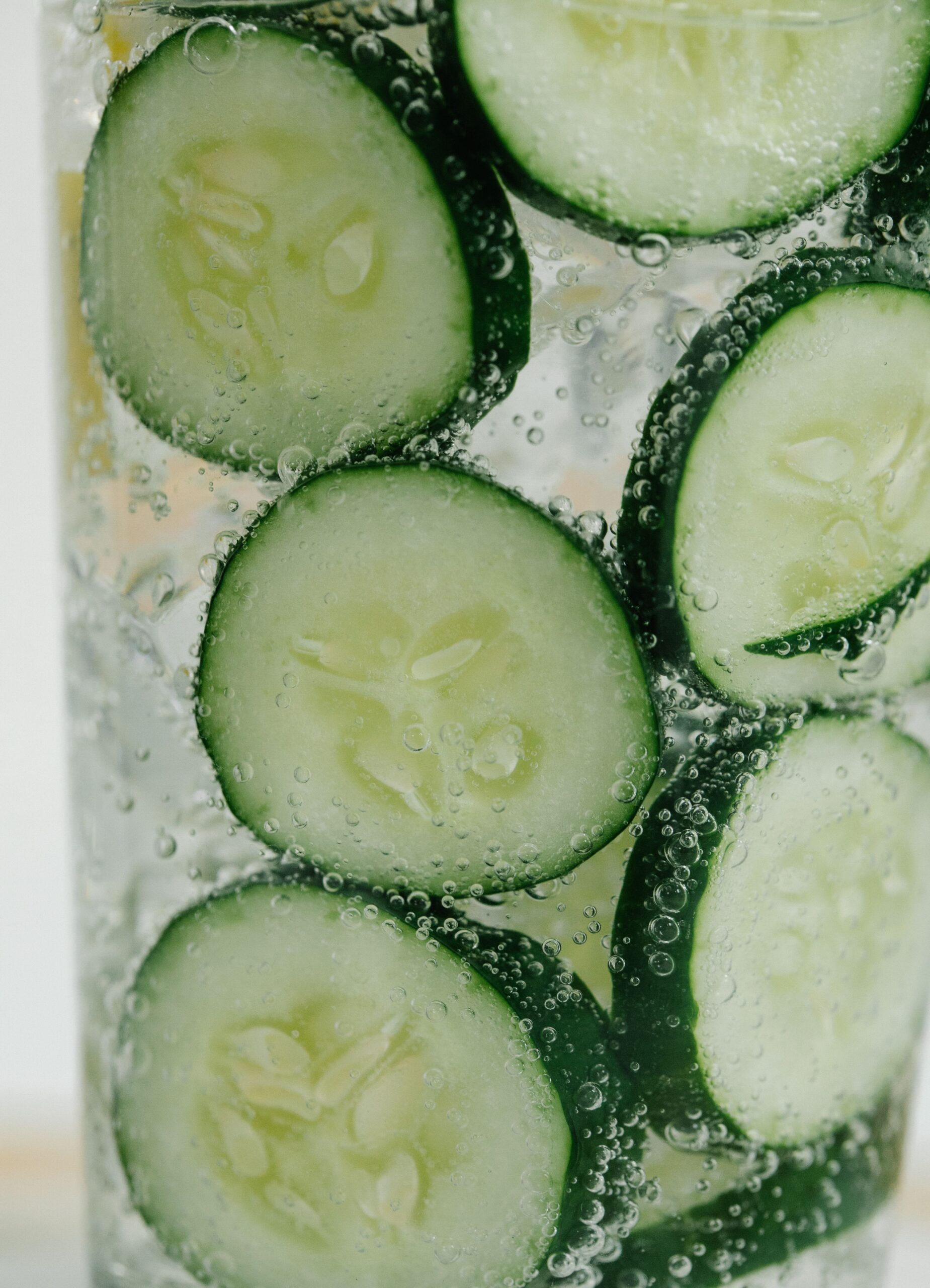
Raspberries, strawberries, kiwi, grapefruit and cucumber all make beautiful alternatives – use whole fruit rather than juice to avoid unnecessary blood sugar spikes. Sparkling water or kombucha work equally well as the base, with kombucha adding the bonus of microbiome support.
Make it beautiful. Take your time with it. Enjoy every sip.
If you would like personalised support with your hormonal health, nutrition or overall wellbeing, I work with women at all stages of life and would love to help. Feel free to get in touch or book a consultation.
References
Rachdaoui, N. and Sarkar, D.K., ‘Effects of Alcohol on the Endocrine System’, Endocrinology and Metabolism Clinics of North America, 42/3 (2013), pp. 593–615. Available at: https://www.ncbi.nlm.nih.gov/pmc/articles/PMC3767933/
Wall, T.L., Luczak, S.E. and Hiller-Sturmhöfel, S., ‘Biology, Genetics, and Environment: Underlying Factors Influencing Alcohol Metabolism’, Alcohol Research: Current Reviews, 38/1 (2016), pp. 59–68. Available at: https://pmc.ncbi.nlm.nih.gov/articles/PMC4872614/
Cains, S., Blomeley, C., Kollo, M., Rácz, R. and Burdakov, D., ‘Agrp Neuron Activity is Required for Alcohol-Induced Overeating’, Nature Communications, 8/14014 (2017). Available at: https://www.nature.com/articles/ncomms14014
Kalinin, S. et al., ‘Transcriptome Analysis of Alcohol-Treated Microglia Reveals Downregulation of Beta Amyloid Phagocytosis’, Journal of Neuroinflammation, 15/141 (2018). Available at: https://jneuroinflammation.biomedcentral.com/articles/10.1186/s12974-018-1184-7
Romieu, I. et al., ‘Alcohol Intake and Breast Cancer in the European Prospective Investigation into Cancer and Nutrition’, International Journal of Cancer, 137/8 (2015), pp. 1921–1930.
Miñarro-Alonso, A. et al., ‘Trajectories of Alcohol Consumption During Life and the Risk of Developing Breast Cancer’, British Journal of Cancer, 125 (2021), pp. 1338–1347. Available at: https://www.nature.com/articles/s41416-021-01492-w
Pert, C.B., Molecules of Emotion: Why You Feel the Way You Feel (New York: Scribner, 1997).