Did you know that hormone balance begins with cholesterol?
Every molecule of oestrogen, progesterone, cortisol and testosterone (women make testosterone too – it helps with libido and increases the feeling of confidence) begins its life as cholesterol. Without cholesterol there are no hormones. Every cell in your body has cholesterol as part of its structure and needs it for healthy membranes.
How the cholesterol-hormone connection changes throughout your life
During menstruating years, cholesterol naturally rises in the follicular phase as oestrogen levels rise from the first day of your period towards ovulation. This is part of your body’s elegant design, a reminder that cholesterol and hormones are intimately connected.
As you go through perimenopause, your ovaries gradually make less oestrogen and progesterone. Your adrenal glands and other tissues pick up some of the work, but they need adequate raw materials. If cholesterol levels are too low – whether from restrictive eating, low-fat diet, high stress, or an overburdened liver struggling with toxins or holding onto unprocessed emotions like anger – there may not be enough building blocks to make hormones effectively.
Signs of insufficient cholesterol
-
- Missed ovulation – which may lead to missed periods and earlier menopause
-
- Dry skin and vagina
-
- Low libido
-
- Tiredness and feeling burnt out
-
- Premature ageing with fine lines and hair thinning
All of these symptoms can have other causes, but they shouldn’t simply be explained as “getting older” or blamed on menopause. They’re your body telling you it lacks important resources, and diet and lifestyle may well be contributing factors worth exploring.
The food-first approach
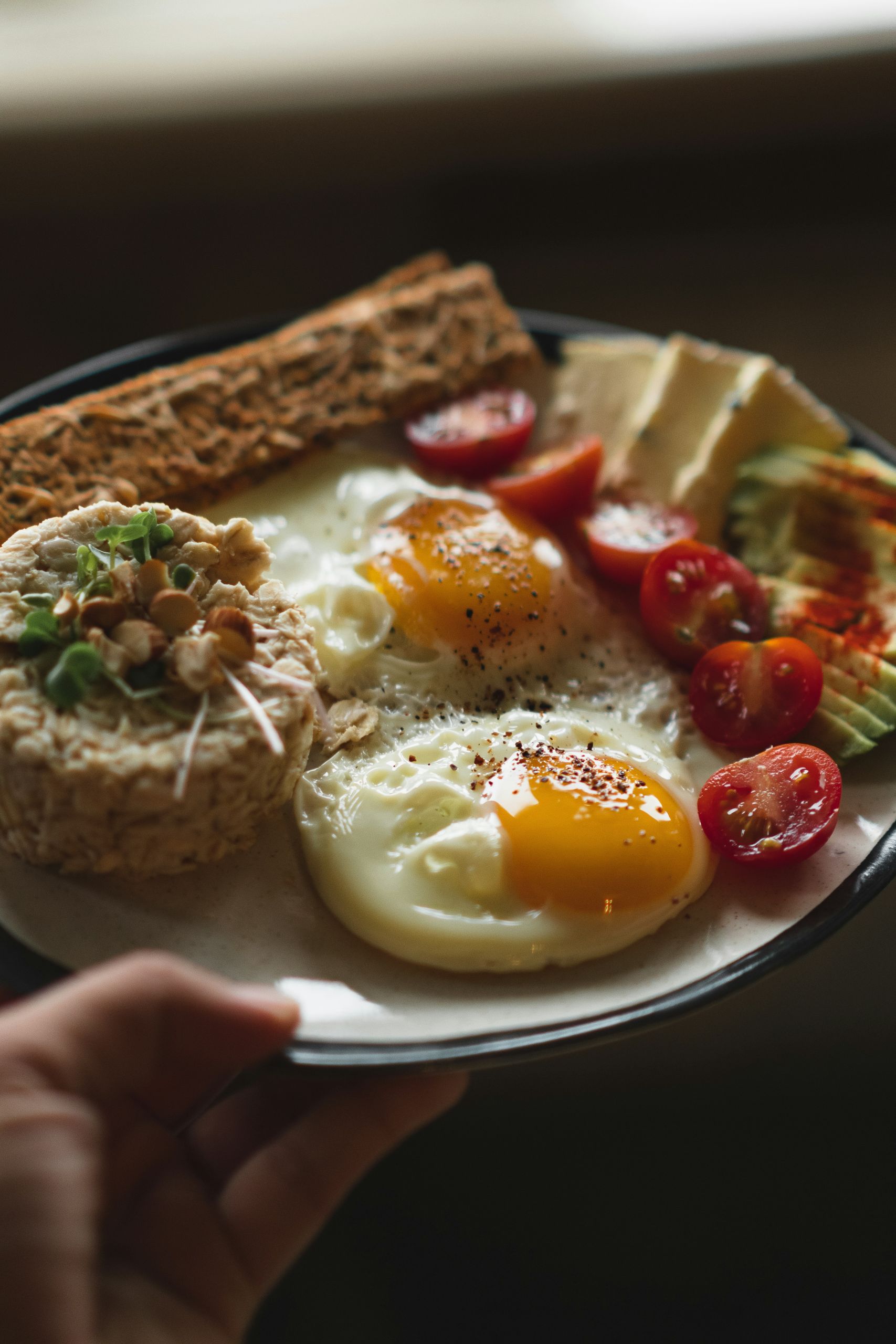
Cholesterol comes only from animal sources: eggs, dairy, meat and fish.
Plant foods contain a form of cholesterol called “phytosterols” but your body recognises these as incompatible and wisely refuses to absorb them. Instead, the body prioritises animal sources of cholesterol.
I recommend aiming for around 300mg of dietary cholesterol daily. In practical terms this looks like:
-
- 2-3 eggs
-
- A portion of fatty fish like salmon or sardines
-
- Quality (preferably organic) dairy products
-
- A portion of grass-fed beef
These foods aren’t just cholesterol-rich. They come with fat-soluble vitamins A, D and K2, protein and healthy fats which your body knows how to use for hormone production – unlike synthetic versions in powders or pills. They also contain phospholipids which build strong cell membranes where hormones are received and used. These same phospholipids help maintain good memory and focus.
Dietary zinc is essential for the enzymatic conversion of cholesterol into sex hormones. Supporting zinc levels through foods such as oysters, red meat, eggs and pumpkin seeds can make a meaningful difference to both cholesterol balance and hormone production. If you have lost your sense of taste, or are a picky eater, or have frequent infections – this may indicate low zinc levels.
Why dietary cholesterol matters when your body makes its own?
The liver produces cholesterol through the mevalonate pathway. But this may not always happen in times of stress, inflammation, increased hormone demand (like in perimenopause), or reduced nutrient intake. In these situations, dietary cholesterol becomes essential.
Just because your body can make something doesn’t mean it always makes enough.
Is eating cholesterol-rich foods safe?
This is one of the most common concerns I hear, especially from women post-menopause who’ve been told for decades to fear dietary cholesterol.
New research shows that dietary cholesterol has little to no effect on blood cholesterol levels for most people.
Your intestinal cells know exactly how much is needed and won’t allow excess to be absorbed.
Your body maintains an elegant feedback system: when you eat more cholesterol, your liver makes less. When you eat less, it makes more.
Unless you have a rare genetic condition like familial hypercholesterolaemia, your body is extremely capable of maintaining balance, especially when you’re eating whole foods rather than processed products that confuse metabolic signalling.
What you need to make and use cholesterol effectively
Having enough dietary cholesterol is only part of the equation. Your body needs several systems working well:
Essential organs and systems
The liver both produces cholesterol and converts it into hormones. If it’s overburdened with toxins, alcohol, medications, or even with unprocessed emotions, it struggles.
The gallbladder releases bile to digest fats and absorb fat-soluble vitamins A, D, E and K2. Without adequate bile flow, you can’t properly absorb the cholesterol and nutrients you’re eating.
The thyroid – an underactive thyroid disrupts cholesterol production and hormone synthesis throughout your endocrine system. Interestingly, cholesterol often rises when thyroid function is low, not because you’re eating too much, but because your thyroid isn’t signalling to cells to use it properly. This should always be considered when reviewing blood tests.
Your gut microbiome helps you absorb and utilise dietary cholesterol. Gut issues like constipation, low stomach acid or bloating interfere with bile flow and fat digestion, making it harder to absorb the fats and vitamins needed to process cholesterol and make hormones.
Beneficial bacteria like Lactobacillus and Bifidobacterium species support healthy cholesterol metabolism. Looking at my clients’ stool tests, many people don’t even have these foundational microbes.
Other supporting factors
Managing stress – the stress hormone cortisol increases cholesterol production, but shifts all resources towards making stress hormones rather than sex hormones like oestrogen and progesterone. This is why fatigue, irregular cycles and low mood often appear during prolonged stress. Supporting your stress response through sleep and nervous system regulation helps restore hormone balance.
Natural light – sunlight plays a huge role in the cholesterol story. When UVB light interacts with cholesterol in the skin, it converts it into vitamin D3, a pro-hormone which, apart from many other functions, supports hormone production. Vitamin D also helps optimise the receptors that allow hormones to communicate with cells.
Even on cloudy days, outdoor light regulates the daily rhythm of hormone production through its effects on circadian rhythm and cortisol balance. Think of your time in sunlight as natural HRT.
What rising cholesterol after menopause may mean
Post-menopause, cholesterol levels often rise. This worries many women who’ve been taught that higher cholesterol is dangerous.
But this rise is most likely not ill health. Rather, it shows your metabolic balance shifting as your liver, thyroid and adrenal glands adapt to your new hormonal landscape. Cholesterol plays a central role in this adaptive process and is very much needed, especially if you’re supporting yourself holistically, without HRT, through this transition.
What matters more than total cholesterol is the type and size of cholesterol particles, your inflammatory markers (like hs-CRP), blood sugar control, insulin sensitivity, and overall lifestyle: stress, movement, sleep and nutrition.
Think of cholesterol as your body’s building block for renewal: repairing tissues, producing hormones so you feel like yourself, and protecting cells from oxidative stress.
Fascinating insights from the Blue Zones
In some of the world’s longest-living populations – Sardinia, Japan and Greece – higher cholesterol in older age has actually been associated with longevity, not increased mortality. This does not mean that high cholesterol is universally protective. But it does invite us to ask a bigger question: is cholesterol truly the primary driver of cardiovascular risk – or are chronic inflammation, unmanaged stress, and not being part of a supportive community playing a far more significant role than we have been led to believe?
My view is that markers such as hs-CRP, homocysteine, fasting insulin and blood sugar levels, alongside your sleep quality, chronic stress and daily movement, paint a far more honest picture of your true cardiovascular health.
If your cholesterol is rising but your inflammatory markers are low and your lifestyle is strong, that context matters enormously.
What you can do today
Hormone balance isn’t about a magic pill or just making a dietary change. It’s about supporting your entire system: from the cholesterol-rich foods you eat to the health of your liver, gallbladder, thyroid, gut, and stress response. and how these are held within your real life circumstances. When all these elements work together, your body has the resources it needs to make hormones at any age and thrive through perimenopause and beyond.
If your cholesterol has risen since perimenopause and you want to understand what your body is actually telling you – rather than simply medicating the number – this is exactly the work I do. Book a consultation and let’s look at the whole picture together.
References
BMJ, ‘Egg consumption and risk of cardiovascular disease: three large prospective US cohort studies, systematic review, and updated meta-analysis’ (2020).
Ede, G., ‘Cholesterol is good for you’ (2020) https://www.diagnosisdiet.com/full-article/cholesterol.
Errigo, A., Dore, M. P., Portoghese, M. and Pes, G. M., ‘The Cholesterol Paradox in Long-Livers from a Sardinia Longevity Hot Spot (Blue Zone)’, Nutrients, 17(5), 765 (2025), doi: 10.3390/nu17050765, PMCID: PMC11901585, PMID: 40077635.
Harcombe, Z., ‘Worries about cholesterol?’ (2025) https://www.zoeharcombe.com/2025/06/worried-about-cholesterol/.
The Lancet, ‘Cholesterol and all-cause mortality in elderly people’ (2001).