Some breastfeeding mothers worry that their baby is “allergic to their breastmilk”. This can be confusing and worrying for many mothers. In reality however, breastmilk is not dairy and it is not possible to be allergic to it.
What I often see instead is a sensitivity to proteins from foods in the mother’s diet – most commonly cow’s milk – which pass into breastmilk in small amounts.
Lactose vs dairy proteins
If your baby is reacting, it is highly unlikely that the problem is lactose intolerance, despite how often this is suggested. The lactose in cow’s milk does not pass through into mother’s breastmilk in a way that would cause these symptoms. True lactose intolerance in babies is apparent at birth and extremely rare.
More commonly, breastfed babies react to cow’s milk proteins such as casein. These proteins can trigger symptoms including colic-like discomfort, eczema, wheezing, reflux, diarrhoea (sometimes with mucus or blood), constipation, hives, or ongoing congestion.
Looking a little deeper: mother’s gut health
In my work with postnatal women, I consider not just what you are eating, but also how your body processes it. Digestive health, gut integrity, gut microbiome, and immune function all influence how food proteins are broken down whether they trigger a reaction in a sensitive baby.
Increased intestinal permeability, commonly known as “leaky gut”, can allow larger, partially digested proteins to pass into circulation rather than remain in the gut. In some cases, this may increase immune reactivity – proteins that pass into the bloodstream can then show up in breastmilk, affecting the baby.
This doesn’t mean something is “wrong”, but it can provide a useful lens for understanding why some babies are more reactive than others. Healing the mother’s gut can improve digestion, reduce inflammatory proteins in her breastmilk, and positively influence the baby’s health.
What to do if you suspect dairy sensitivity
If dairy sensitivity is suspected, switching to lactose-free products or stopping breastfeeding will not resolve the issue.
The problem lies with the proteins like casein, not the lactose. Cooking dairy may reduce reactivity slightly, as it changes the chemical structure of protein, but does not remove it entirely.
It is also worth being aware that a significant number of babies who react to dairy may also react to soy, goat’s or sheep’s milk.
If you decide to trial removing diary from your diet, it’s important to do this properly. It can take between 10 days to 3 weeks for milk proteins to full clear from your system, so best allow a full 3 weeks before assessing changes in your baby’s symptoms.
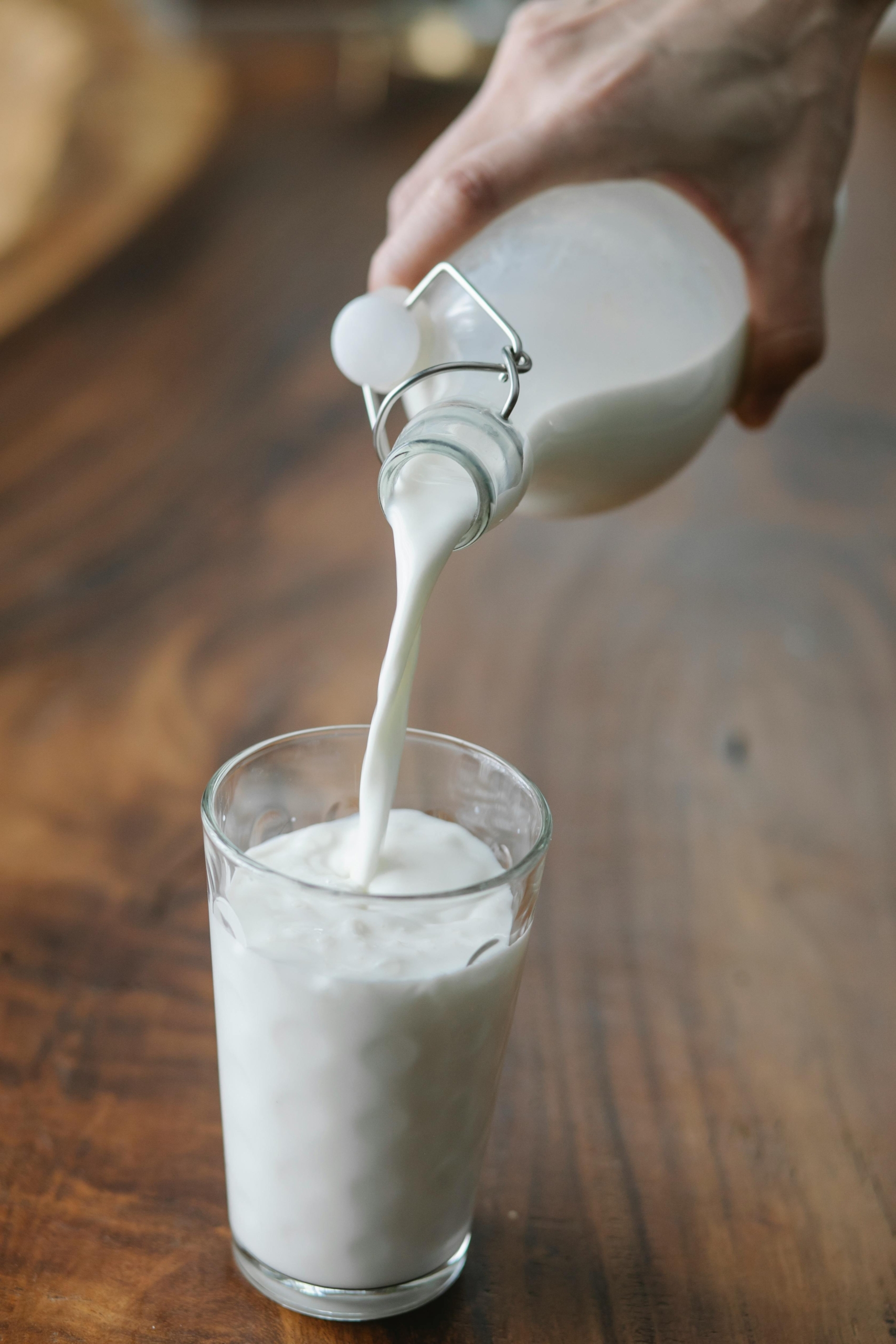
The level of sensitivity varies. If your baby is only a little sensitive to dairy proteins, you may be able to relieve symptoms by eliminating only the obvious sources of dairy such as milk, cream, yogurt, butter, cheese, sour cream, ice cream, cottage cheese. You may even be able to eat small amounts of dairy without it affecting your baby.
Other babies may need a more thorough approach, including checking food labels carefully – dairy proteins are often hidden in processed foods like biscuits, cereals, chocolate, flavourings, sauces, and even some supplements or medications.
The good news is that going dairy-free doesn’t mean your diet becomes restrictive. There are now many alternatives available, including almond, rice, or coconut-based milks which can make this transition manageable.
Secondary lactose intolerance and nutrient support
In some cases, ongoing symptoms may also reflect Secondary Lactose Intolerance, which can develop when gut health is compromised.
In practice, I see this alongside nutrient deficiencies – particularly zinc – and imbalances in the gut microbiome in both mother and baby. Supporting gut health and nutrient status can make a significant difference.
Testing can also help identify triggers – immune reactivity to common food proteins, including dairy, which can provide clarity for mothers unsure about sensitivities.
Ultimately, while symptoms may show up in your baby, the starting point is often your own digestion, immune system and overall nutritional status. The benefits will be passed onto your baby via your breastmilk.
Healing and supporting your gut health can improve baby’s health, and ensure both of you are nourished and thriving.