One of the most common things I hear from mothers in my practice is some version of this: “I eat well, I try so hard – but I just cannot get my child to eat vegetables.” If this sounds familiar, please know you are not alone, and you are not failing.
Children’s relationships with food are shaped by far more than what we put on their plates. Genetics, early exposures, the microbiome inherited from their mother, and even flavours experienced through breastmilk all play a role in shaping taste preferences from the very beginning. Understanding this can take a lot of pressure off – and pressure, as it turns out, is one of the things least likely to help.
Here are the strategies I share with my clients, grounded in both clinical evidence and my experience as a mother of three children who now all love food.
Observe their preferences
Children’s food choices often tell us something useful. Repeated refusal of certain foods can sometimes reflect mild digestive discomfort – bloating, tummy aches – rather than simple fussiness. Pay attention to patterns and individual reactions, as these can give valuable insight into what is actually going on beneath the surface.
You are their role model
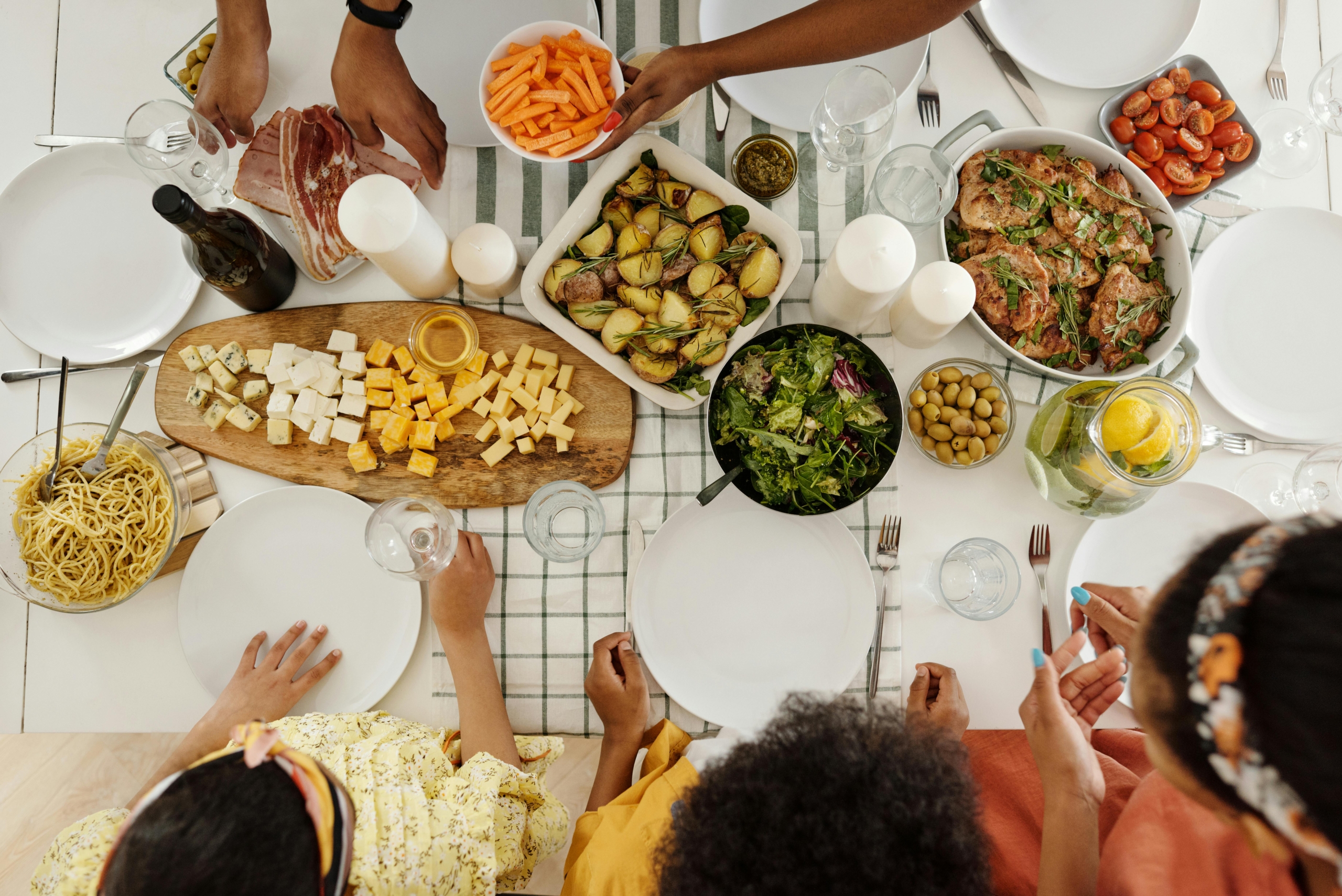
Children learn by watching. Long before they understand nutrition, they absorb what the adults around them eat and how they feel about food. Sharing meals, eating a variety of foods yourself, and demonstrating genuine enjoyment is one of the most effective things you can do. Interestingly, even before birth, flavours from the maternal diet influence a baby’s taste preferences, and this continues through breastfeeding.
Offer choices
Food refusal is often less about the food itself and more about autonomy – which is completely developmentally normal. A simple shift that works well is this: you decide what is offered, when, and where. Your child decides whether and how much to eat. Within that, offering structured choices – “would you like broccoli or peas tonight?” – supports their sense of control without handing over the reins entirely.
Repetition is your friend
Research shows that children may need to be exposed to a new food many times – sometimes over several weeks – before they accept it. This is not stubbornness; it is biology. Keep offering without pressure, ensure at least one familiar food is on the plate, and try preparing the same ingredient in different ways. Patience here genuinely pays off.
Be mindful of high-glycaemic alternatives
When children consistently refuse a meal, it can be tempting to offer something you know they’ll eat – often something more processed or refined. The difficulty is that over time this can reduce their appetite for more nutritious options and affect their natural satiety signals.
To put this in perspective: 150g of white rice is the sugar equivalent of roughly 10 teaspoons, and 150g of white potato or refined bread around 8. Where possible, simple swaps make a meaningful difference – sweet potato instead of white potato, whole grain pasta served with healthy fats and protein to slow the glycaemic response.
Create a supportive food environment at home
Children will gravitate toward whatever is most accessible. Reducing the presence of high-sugar snacks and ultra-processed foods at home – without making them forbidden or emotionally loaded – naturally makes nutritious choices the easier option.
Keep food emotionally neutral
This one matters more than it might seem. Using food as a reward or withholding it as a punishment, however well-intentioned, can create associations that last well into adulthood. Where possible, food is simply food – nourishing, enjoyable, and not tied to behaviour or emotion.
In the kitchen together
Children who are involved in choosing, preparing and assembling food are significantly more likely to eat it. Grocery shopping together, age-appropriate tasks like washing vegetables or stirring, and letting them have ownership over small parts of a meal builds curiosity, confidence and connection with real food.
Make it appealing
Presentation genuinely matters, especially with younger children. Hiding vegetables in muffins, pancakes or smoothies works beautifully. So does spiralising courgettes into ribbons, using fun shapes, or building colourful Buddha bowls. None of this is a compromise – it is just good strategy.
Relax in social settings
Birthday parties, family gatherings, celebrations – these are not the enemy. Allowing children to enjoy treats in social contexts, while maintaining healthy habits at home, is a balanced and realistic approach. Consistency at home matters far more than perfection everywhere.
Talk about food positively
Age-appropriate conversations about how food affects energy, mood, focus and how we feel can be genuinely powerful as children get older. Watching a family-friendly documentary together or exploring where food comes from can spark curiosity and enthusiasm that no amount of broccoli-hiding ever quite can.
Fostering a healthy relationship with food is a gradual process, and every child is different. There is no perfect approach – only a consistent, warm and supportive one.
If you are a mother concerned about your own nutrition, energy or health, I work with women at all stages of motherhood and would love to support you. And if you have specific concerns about your child’s eating patterns or nutrition, feel free to get in touch – I am happy to point you in the right direction.