
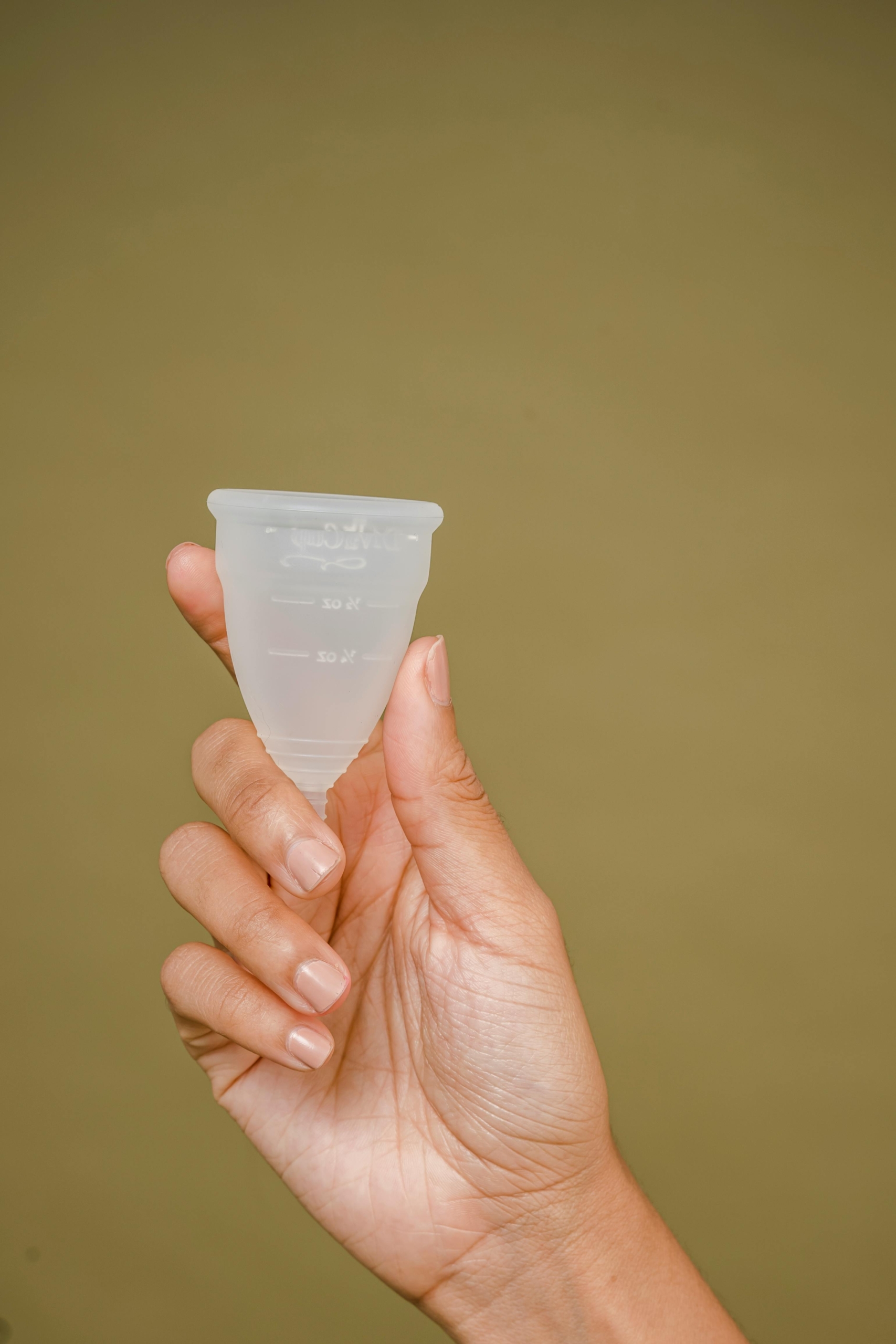
There are many advantages of using menstrual cups. Unlike tampons, they allow for much of menstrual fluids to get reabsorbed by the body, resulting in a lighter period. Easy to use, and cost effective as each menstrual cup costs on average £20 and can last for many years. Menstrual cups are the eco friendly solution as they are completely reusable. They also help to observe your periods.
Our periods have so much information to give us – the colour, volume, length, and texture of your period can reveala lot about your systemic health.
However, I found that the manufacturers’ care instructions are not enough. I know women who got vaginal infections from using menstrual cups that haven’t been properly cleaned.
Because menstrual cups are made from medical grade silicone, they have been marketed as literally bacteria free. The manufacturers recommend boiling the cup once before and after each period, and giving it a rinse with each change. Some provide cleaning wipes to disinfect which can be useful when there is no access to water. However, this may not be sufficient. The accumulation of blood does provide a medium for bacterial growth.
Because of the general belief in the cups’ antibacterial properties, it has been accepted that a quick wipe or a rinse in tap water is fine, and this is what many women do. But a menstrual cup that hasn’t been cleaned thoroughly can lead to infections such as BV or evena UTI – one I have experienced myself when I unknowingly rinsed my cup in contaminated water when I lived in Asia. The UTI was a complete surprise to me, but then I made the connection when I realised that since there are no internal walls inside our bodies, it is entirely possible that the bacteria from contaminated water could spread to the bladder. There is also a high chance that the cup will be filled with bacteria which can cause an infection and also disrupt the vaginal microbiome. We know that a healthy vaginal microbiome helps protect against cervical cancer, HIV, vaginal infections, and supports fertility, to find out more, please read my article here.
Several studies also show that the microbes that can grow on a menstrual cup are associated with Toxic Shock Syndrome. This happens because the menstrual cup is usually left in for a long time, much longer than tampons – this is one of the well marketed benefits of the cup, but it’s not a safe guideline.
We can minimise these risks by following these little known steps for care and safety:
- Have more than 1 menstrual cup – this way you can always have a clean cup at hand.
- Do a quick boil of up to 5 minutes at the beginning of your cycle and also at the end. Anything longer is not necessary and may damage the cup.
- Do a quick boil as many times as you can during your cycle and change the cups frequently sterilising each cup as often you can.
- Use only non-toxic cookware to boil the cup to prevent traces of heavy metals such as aluminium and hormone disrupting chemicals contaminating your cup. You don’t want these toxins inside your vagina.
- To clean the cup, you can also soak the cup for an hour in diluted apple cider vinegar.
- Use only filter or mineral water to wash the cup, unless you are in a country where tap water is also drinking water.
- If you go for a no. 2, take the cup out first to minimise your exposure to potentially pathogenic bacteria. Do not wipe and then reinsert the cup.
- Never wear the cup for longer than 8 hours.
- Wash the cloth bag in organic laundry detergent after each period so that it is clean, and there are no chemical residues which could spread to the cup.
Reading:
Mitchell M. et al. 2015. A confirmed case of toxic shock syndrome associated with the use of a menstrual cup. https://www.ncbi.nlm.nih.gov/pmc/articles/PMC4556184/
Shreya, 2016. The ecological impact of feminine hygiene products. https://rctom.hbs.org/submission/the-ecological-impact-of-feminine-hygiene-products/
- Impact of currently marketed tampons and menstrual cups on S. aureus growth and TSST-1 production in vitro. https://www.ncbi.nlm.nih.gov/pubmed/29678918