
[vc_row][vc_column][vc_column_text css=””]So many women struggle with heavy periods in perimenopause, just when they thought periods would become lighter. Even doubling up on tampons and pads and sleeping on a towel doesn’t seem to contain the flow. Periods at this time can also become more frequent, leaving women feeling drained and frustrated.
I want to reassure you that there’s so much that can be done – not only to minimize bleeding but also to restore nutrient and energy levels following heavy periods. In fact, one of my clients contacted me hoping to avoid a hysterectomy, which was presented to her as the only solution to relieve her of menstrual flooding. To her relief, by following the treatment plan I developed for her – which included changes to her diet, lifestyle interventions, herbs, and adaptogens – she was able to cancel the surgery entirely.
In this article, you will learn:
- What causes heavy periods in perimenopause
- Why heavy cycles need a whole-woman approach
- Simple steps you can take right now to minimize menstrual bleeding
- How to replenish your nutrient levels and energy after heavy cycles
Firstly, it’s important to know that there are always underlying reasons for heavy periods. Conditions like hypothyroidism, fibroids, polyps, and endometriosis can cause heavier periods and should be ruled out. If you suffer from any of these conditions, I can support you with testing and nutritional therapy.
Heavy periods can also be caused by hormone imbalance and nutrient deficiencies.
Hormone Imbalance
Contrary to popular belief, perimenopause is when oestrogen can surge rather dramatically. Progesterone and oestrogen have a close seesaw-like relationship – when one goes up, the other comes down. When oestrogen goes up, the uterine lining becomes thicker, and when it sheds, the result is a heavy period, usually with larger clots. At the same time, the balancing effects of the Zen hormone progesterone are removed, and we lose the ability to remain calm for longer.
This fluctuation is normal, especially as our bodies find a new rhythm in perimenopause.
Women who had their first period young may be more likely to experience heavier periods in perimenopause. This is because their uterine lining will be more sensitive to oestrogen and hormone fluctuations.
It’s possible that both progesterone and oestrogen are low, but you have more oestrogen relative to progesterone – and this causes heavy periods.
It’s also possible that the reason for this high oestrogen is that it’s not being metabolised and removed from your body efficiently. For hormones to be in balance, a healthy liver (which metabolises hormones) and healthy gut are essential.
The liver plays a vital role in hormone balance, particularly in breaking down oestrogen. If the liver is taxed or sluggish, this process cannot happen efficiently. To assess this, I may order the DUTCH test to see how you’re metabolising oestrogen and whether the liver is supporting healthy hormone balance.
If you’re looking for just one simple addition to your diet that will help support your liver, broccoli sprouts can be very helpful. They contain sulforaphane, which upregulates detoxification-related genes, increases liver function, and helps break down oestrogen. You can easily grow them at home or get them as a supplement.
Limiting alcohol at this time will help your liver.
Nutrient Deficiencies
With such intense blood loss and the subsequent feeling of depletion, you might understandably assume you’re iron deficient.
While heavy periods can lead to iron loss (and may also be caused by low iron levels), I urge caution with supplementing iron because:
- Iron supplementation can lead to inflammation and oxidative stress
- While an iron IV often makes women feel amazing for several days or weeks, this is usually followed by a “crash” as inflammation rises and minerals become imbalanced
- All minerals work in synergy – iron connects with copper, while zinc works in harmony with magnesium. Supplementing iron alone disrupts this delicate balance and leads to further imbalance
- Harmful bacteria and pathogens thrive on iron-rich blood, so any underlying infections may resurface with a vengeance
A safer approach is obtaining iron through whole foods, particularly haem iron from animal sources, which comes in natural synergy with supportive nutrients and is absorbed only as needed.
The following foods are nutritional powerhouses that can help restore nutrient levels and reduce excessive bleeding:
Liver – contains bioavailable retinol, copper, and iron. Start with tiny amounts: 1-2 teaspoons of liver pâté (110-170g per week). Liver is quite energizing, so you may want to eat it earlier in the day alongside a fatty meal to increase nutrient absorption. If you can’t source organic liver or dislike the taste, try desiccated beef liver supplements (3,000-5,000mg daily) or “hide” liver in meatballs or Bolognese sauce.
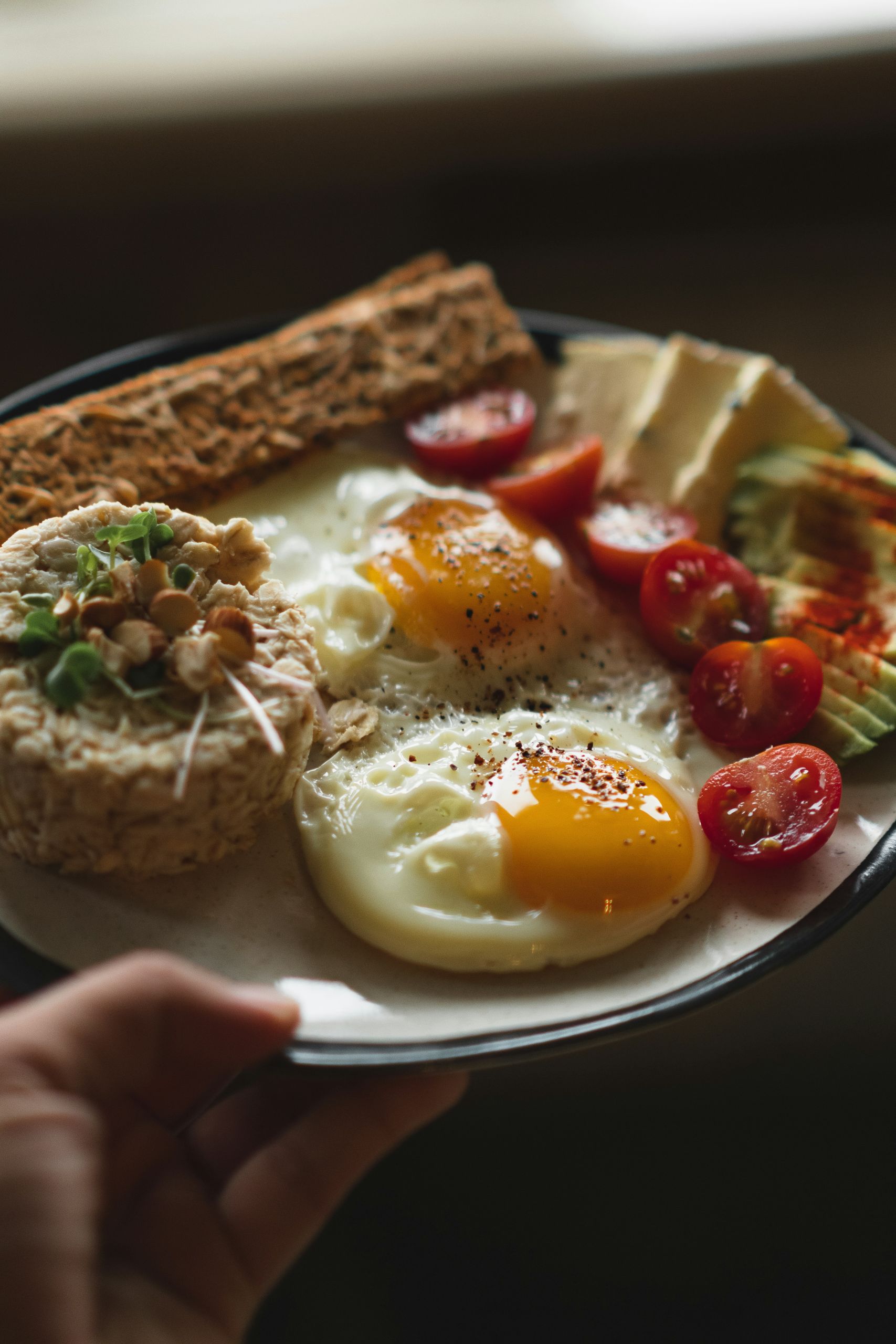
Egg yolks – rich in fat-soluble vitamins A, D, E, and K2, which help regulate hormones and reduce inflammation. Egg yolks provide retinol – the true active form of vitamin A that supports bioavailable copper production via ceruloplasmin, a key enzyme for mobilizing iron properly. While plant sources like carrots and sweet potatoes do contain beta-carotene, up to 70% of people struggle to convert this to retinol due to poor gut health, thyroid issues, or genetic variants (BCMO1), and you may be one of them.
Grass-fed, pasture-raised beef provides bioavailable haem iron, copper, B vitamins, and complete protein. Source from animals raised on sun-drenched, mineral-rich soils. Beef is easily incorporated into burgers, meatballs, stews, and curries.
Bee pollen – one teaspoon daily provides B vitamins and many easily absorbed micronutrients. It’s also a natural source of quercetin, a natural iron chelator with anti-inflammatory properties that calm mast cells. Sprinkle over breakfast granola or yogurt – it’s delicious!
Beetroot – a wonderful blood-building vegetable that can be enjoyed in borscht-style soups, smoothies, roasted alongside protein, or mixed with tahini for delicious dips.
Nettle tea – incredibly supportive for the menstrual cycle and is blood building. Make a strong tea using several tea bags to enhance its medicinal properties; it will help restore your vitality after heavy periods.
Important note: Eat as many warm meals as possible to aid nutrient assimilation and support uterine health.
Targeted Herbal Support for Heavy Periods
In my practice, I often use the following herbs:
- Yarrow (Achillea millefolium): A uterine tonic that reduces capillary fragility and slows bleeding
- Shepherd’s purse (Capsella bursa-pastoris): a traditional haemostatic herb that helps contract uterine tissue.
These herbs can be incredibly effective but they must be used under qualified naturopathic guidance to ensure safety and correct dosing.
Dairy Proteins
Casein, the protein in dairy, can increase insulin and IGF-1, which indirectly raises oestrogen levels and activates mast cells – triggering even more oestrogen release and heavier periods.
For most of my clients, going dairy-free is a temporary strategy (three cycles are usually sufficient) until we understand all the underlying reasons for heavy periods and hormonal balance stabilizes. However, up to one in three women find this needs to be a permanent change to minimize blood loss and inflammation – if you experienced childhood tonsillitis or ear infections, you may be one of those women.
Goat or sheep products (containing A2 casein) are usually well-tolerated, and small amounts of butter typically don’t cause symptoms.
Lifestyle Strategies
Reducing Environmental Toxin Exposure – My work always considers environmental medicine because we now live in a world filled with endocrine-disrupting chemicals that affect hormone balance. While you may have been fine until perimenopause, your body will now begin revealing everything that’s no longer serving you.
Simple swaps to reduce exposure to endocrine disruptors:
- Replace plastic water bottles (even BPA-free ones) with glass or stainless steel
- Use stainless steel instead of plastic hand blenders
- Store food in glass containers
- Choose organic cosmetics, including natural nail polish
- Switch to unbleached, organic cotton tampons and pads to avoid plastics, bleaches, and synthetic fibers
Emotions
In Chinese medicine, menstrual blood is called “heavenly water.” This is because blood carries vital energy, creativity, and emotional resonance. Heavy bleeding can reflect both physical depletion and also unresolved emotional energy. The time of your period is when it’s optimal to carve some space for yourself on self-care practices and to accessing your deeper emotions.
- Allow rest and reflection
- Try gentle movement: Switch from HIIT classes to yoga and Pilates
- Prioritize sleep and create easy evenings at home
- Process emotions: Journaling, breathwork, meditation, or time in nature to release tension and stuck emotions
Do you know someone who’s struggling with heavy periods in perimenopause? Please share this article with them. Every woman deserves to know that there are natural, effective solutions available.
with best health
Magda[/vc_column_text][/vc_column][/vc_row]