It’s high 30s in SE England this week and everyone is drinking 2 litres of water per day. But if you are feeling foggy by mid-day and thirsty by the evening it may help to fine-tune your hydration practice.
Drinking water is not always the same as getting it to your cells.
What I recommend for optimal hydration:
Tissue salts
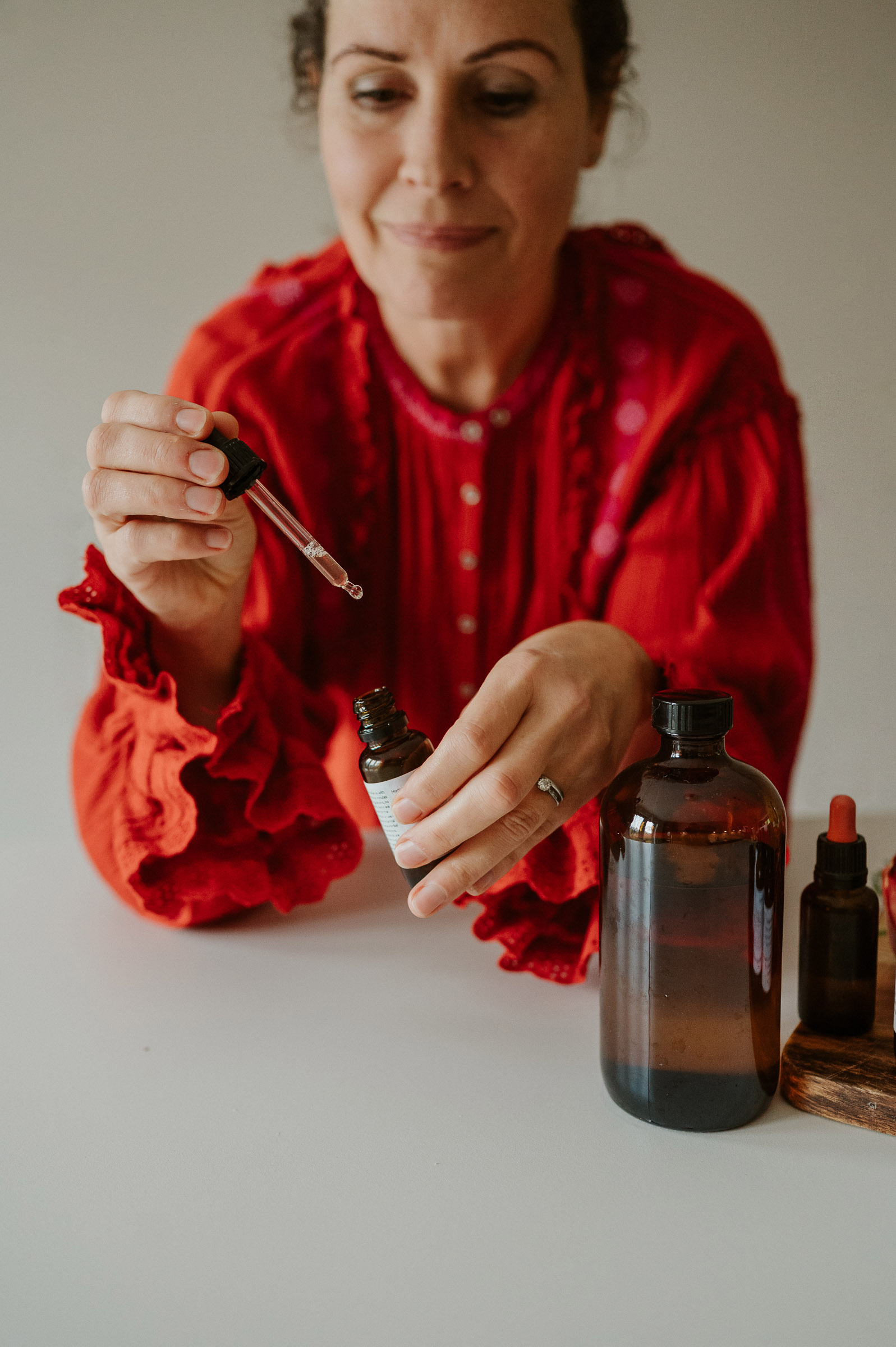
Tissue salts are micro-doses of the twelve minerals found in every cell of the human body. Developed by Dr Wilhelm Schuessler in 19th century Germany. When they are deficient and not in balance, symptoms appear. They are absorbed directly through the mucous membranes when dissolved in the mouth which bypasses the gut and reaches the cell more directly than any electrolyte drink.
As a side note, most electrolyte drinks are full of artificial colours, sweeteners like sucralose and acesulfame K, and synthetic ingredients that disrupt the gut microbiome and drive inflammation. Tissue salts are the minerals themselves in the form your cells have always known how to use.
For everyday hydration in hot weather I use:
Nat Mur (No. 9) is the body’s water distributor. If you are drinking plenty and still thirsty, this is often the missing piece. Dissolve 4 tablets in a large glass of water and sip slowly, 3 times per day away from food. Or dissolve directly under the tongue.
Ferr Phos (No. 4) is if you have heat related headaches, and stress. Same dose as Nat Mur. I usually combine both in the same glass.
Water quality matters
The type of water you drink matters as much as how much you drink. Tap water can contain chlorine, fluoride, heavy metals, hormones, and chemical residues. Filtered water or good quality spring water is optimal. If you choose mineral water, look for naturally sourced options with a good electrolyte profile like Pellegrino.
Remember that tea and coffee are dehydrating and best minimised during heatwave.
Store and drink your water from a glass or stainless steel bottle. Plastic leaches microplastics and chemicals into water, particularly when exposed to heat which is the last thing you want in your hydration water.
Drink warm water rather than cold
Warm and hot water supports peristalsis, the movement of food through your digestive tract, and helps your body absorb what you drink with less effort. Cold water forces your body to warm it before it can be used and can temporarily slow gastric motility, particularly in women with sluggish digestion or IBS.
Plain hot water is an ancient Ayurvedic method for flushing the lymphatic system, and hydrating the body at a deep level. If you are feeling puffy, try sipping hot water every 15 to 20 minutes throughout the day and notice what changes.
When to drink for optimal hydration
Large amounts of water with meals dilutes your stomach acid and digestive enzymes; the very things you need to break down protein and absorb minerals. Poor mineral absorption leads directly to poor cellular hydration.
Drink a large glass at least 30 minutes before eating. During a meal, sip a small amount of warm water if needed. Then wait at least 90 minutes after eating before drinking again.
This one change makes a noticeable difference to how hydrated you actually feel.
Hydrating foods
Fresh whole foods contain water in a form your body absorbs and uses more readily than tap water. My favourite hydrating foods are:
Watermelon – is mostly water, rich in potassium and magnesium. Eat it on its own away from heavy meals, or blend with a squeeze of lemon for a simple mocktail (recipe here).
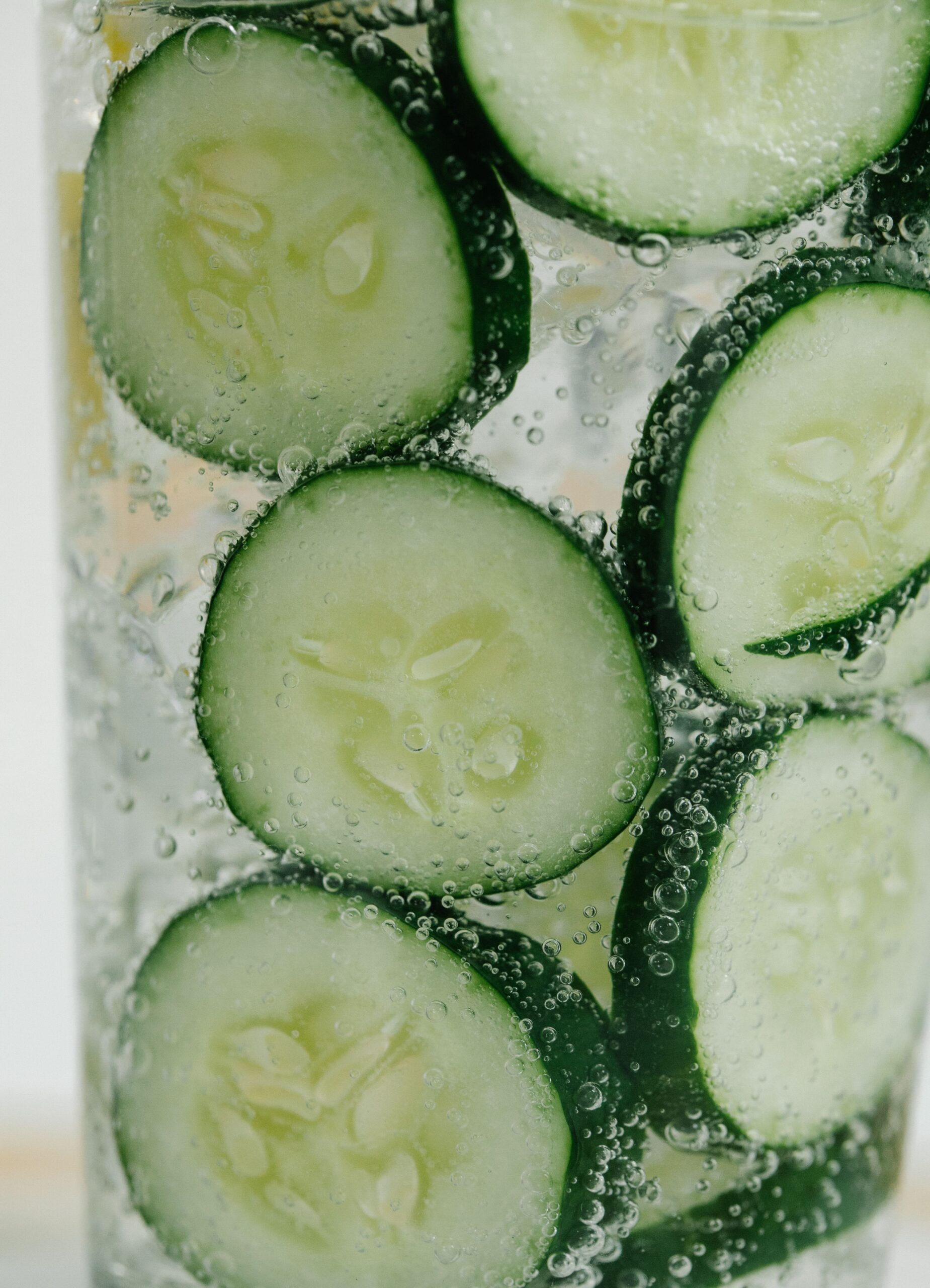
Cucumber – filled with water and silica, which supports connective tissue hydration. One of the most hydrating foods available.
Celery sticks – a mild natural diuretic with natural sodium, potassium and magnesium. Eat it, juice it, add it to everything this week.
Chia seeds soaked in water – chia absorbs up to 12 times its weight in water and releases it slowly, providing sustained hydration throughout the day. Soak a tablespoon in a large glass of water for twenty minutes before drinking. Chia pudding is a great hydrating breakfast or snack on a hot summer’s day.
Coconut water – nature’s electrolyte drink. Potassium, magnesium, and natural sugars in a form the body recognises.
Before you drink another glass of water, go outside.
Roughly half of the sun’s radiation is infrared. Infrared light directly supports your body’s ability to hydrate at a cellular level. 10 or 20 minutes of morning sunlight with no sunglasses is one of the most powerful and most overlooked things you can do for hydration today.
Magda Jenkins is a registered Nutritional Therapist and Naturopath, based in Petersfield, Hampshire. She works with clients locally and globally via Zoom. Book a free discovery call at magdajenkins.com’s